Thorough Water Damage Services: Preserve Your Property From Forthcoming Issues
Extensive water damage services play an vital role in safeguarding properties from recurring risks. They incorporate regular inspections and maintenance of roof and plumbing systems. Initial detection of conceivable problems can prevent significant damage. Furthermore, advanced techniques like water removal and mold abatement address existing issues effectively. However, the most effective strategies also include preventive measures. Knowing these aspects can be fundamental for homeowners wanting to protect their investments and promise long-term safety. What should they focus on next?
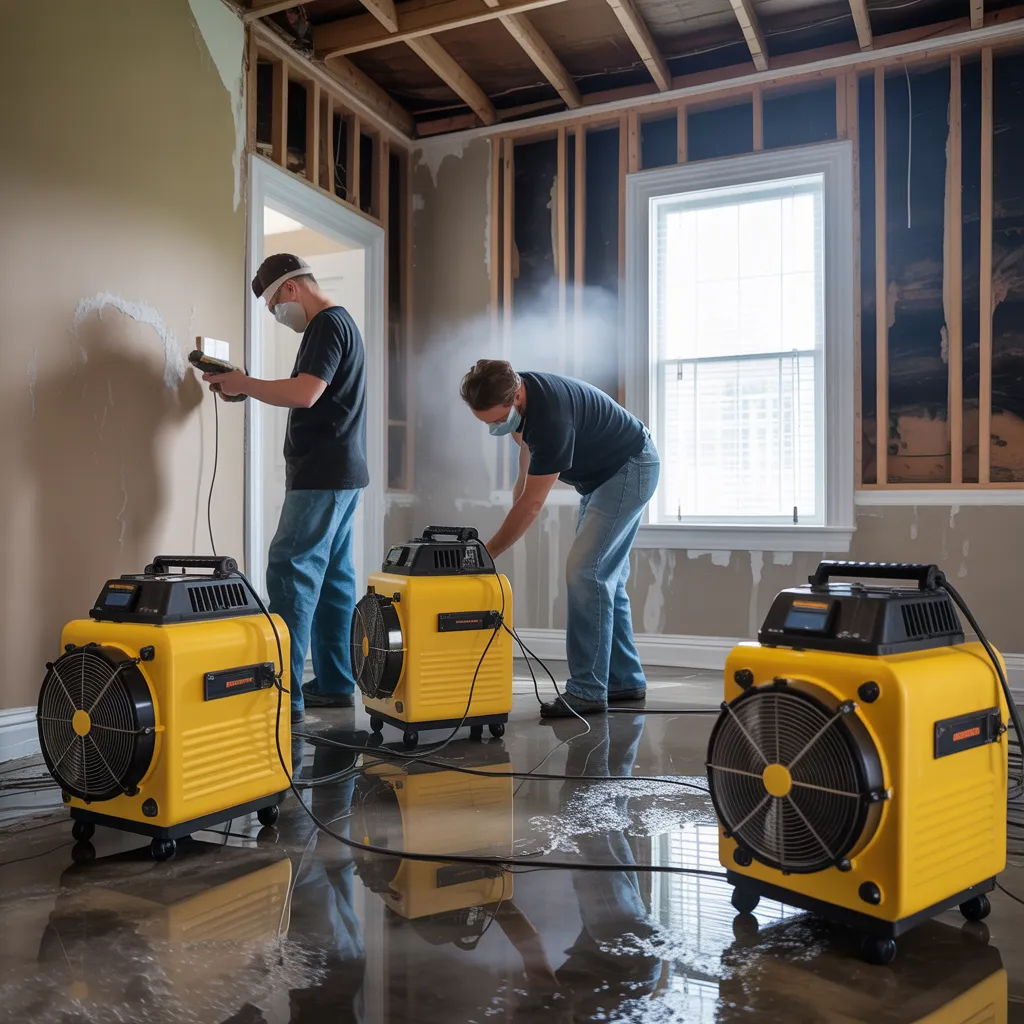
Why You Should Act Fast on Water Damage
Tackling water damage quickly is imperative. Hesitating on response can lead to pressing issues, like structural damage, mold growth, and ballooning repair costs. Water can absorb into walls, flooring, and insulation, providing a optimal conditions for mold spores to prosper within 24 to 48 hours. This not only risks the property but also creates health hazards to inhabitants.
Additionally, the longer the water remains present, the more serious the damage takes place, potentially jeopardizing the integrity of the structure. Immediate action taken helps alleviate these effects, preserving both the property's value and the security of its people living within.
Additionally, swift action can expedite the restoration timeline, enabling homeowners to resume normal living sooner. Hiring professional water damage services immediately can guarantee thorough assessments and effective remediation, avoiding further issues down the line. Prioritizing quick action is essential for protecting both property and wellbeing.

What Triggers Liquid Destruction and How to Recognize It Soon?
Water damage may arise from various sources, making early diagnosis crucial for prevention. Common causes include plumbing leaks, roof leaks, and natural disasters such as heavy rain or floods. Aging infrastructure, such as worn-out pipes or compromised roofing materials, can also contribute greatly to water intrusion.
Property owners should stay watchful for signs of water damage, which may include discoloration on walls or ceilings, a musty odor, and fungal growth. Additionally, flaking paint and bent flooring are signals that dampness may be there. Routine examinations of plumbing systems and roofing can help catch issues before they worsen.
Prompt discovery is important; tackling potential sources of water damage promptly can minimize costly repairs and preserve the structural soundness of the property. By comprehending the causes and identifying the signs, property owners can take preventive action to shield their homes against water-related issues.
Necessary Solutions for Successful Water Damage Rehabilitation
When a residence undergoes water damage, quick and professional restoration assistance are crucial for effective recovery. Core services include water extraction, which means taking out standing water to avoid additional deterioration. Subsequently, comprehensive drying and dehumidification processes are critical to get rid of moisture from structures and materials. Restoration experts evaluate the scope of damage and decide on necessary repairs, whether that requires replacing flooring, drywall, or insulation.
Additionally, mold remediation is vital, as mold can grow rapidly in moist conditions, posing health risks and further compromising the property. Advanced methods, such as thermal imaging and moisture mapping, help identify hidden water sources and avoid recurrence. Finally, deodorization and sanitization services ensure that any lingering odors and contaminants are addressed, restoring the property to a safe and habitable condition. Together, these important services create a thorough approach to efficient water damage restoration, safeguarding properties from long-term issues.
How to avoid Future Water Damage
Effective water damage remediation underscores the significance of preventative actions to avert future occurrences. Property owners should routinely inspect their roofs, gutters, and water spouts to confirm they are unobstructed and operating correctly. This avoids water pooling that can lead to leaks and damage to structure. In addition, caring for plumbing systems by checking for leaks and confirming proper water drainage can greatly reduce the chance of water damage.
Installing sump pumps in basements and utilizing waterproof materials during renovations can also provide an extra layer of protection. Moreover, homeowners should consider exterior modifications, such as grading soil away from the foundation, to channel water away properly. Regular routine care and quick fixes are essential for safeguarding properties against potential water damage, thereby preserving their integrity and value. Taking these steps can help create a resilient environment that minimizes future risks associated with water intrusion.
Tips for Selecting the Correct Water Damage Service Provider
What methods can homeowners use to ensure they pick the most suitable water damage service provider? First, they should investigate potential companies carefully, checking for certifications, licenses, and insurance. A reputable provider should possess professional certifications, such as those from the Institute of Inspection, Cleaning and Restoration Certification (IICRC).
Following this, examining client reviews and endorsements can yield understanding regarding the company's credibility and service performance. Property owners should also explore the breadth of services offered, making certain they contain everything from basic evaluation to complete restoration.
Additionally, obtaining multiple estimates can help in comparing expenses and applicable information understanding the scope of services provided. Finally, reviewing the provider's response time is essential; a rapid response can minimize further harm. By taking these elements into account, property owners can determine the best course of action, ensuring their home gets the best possible care in emergency situations.
Regularly Sought Information
What Is the Average Cost of Water Damage Restoration?
The expense of fixing water damage typically falls between $1,000 to $5,000, depending on the degree of harm, location, and required work. Supplementary elements, including labor and materials, may influence the total cost substantially.
Will My Insurance Cover Water Damage Restoration?
Insurance plans for water damage restoration work often relies on the policy specifics. Generally, if the damage originates from a covered peril, such as a fractured pipe, firms may furnish pecuniary help for restoration costs.
What Timeframe Should You Expect for Water Damage Restoration?
Restoration work for water damage generally requires one to five days, determined by the extent of the damage, the affected materials, and the drying process needed. Interruptions can develop if major repairs or mold remediation are essential.
Can I Manage Water Damage Removal Without Professional Help?
Performing water restoration work solo is attainable, but it commonly requires expert knowledge and specialized tools. Inadequate cleaning can spark mold growth and structural issues, rendering professional intervention a safer and more effective option.
What Health Dangers Are Connected to Water Damage?
Water damage introduces various health risks, including mold growth, which can provoke respiratory issues, allergies, and infections. Contaminated water may also hold bacteria and viruses, producing gastrointestinal illnesses and other serious health complications.